
Dollar Inflows Swell India’s Banking Liquidity
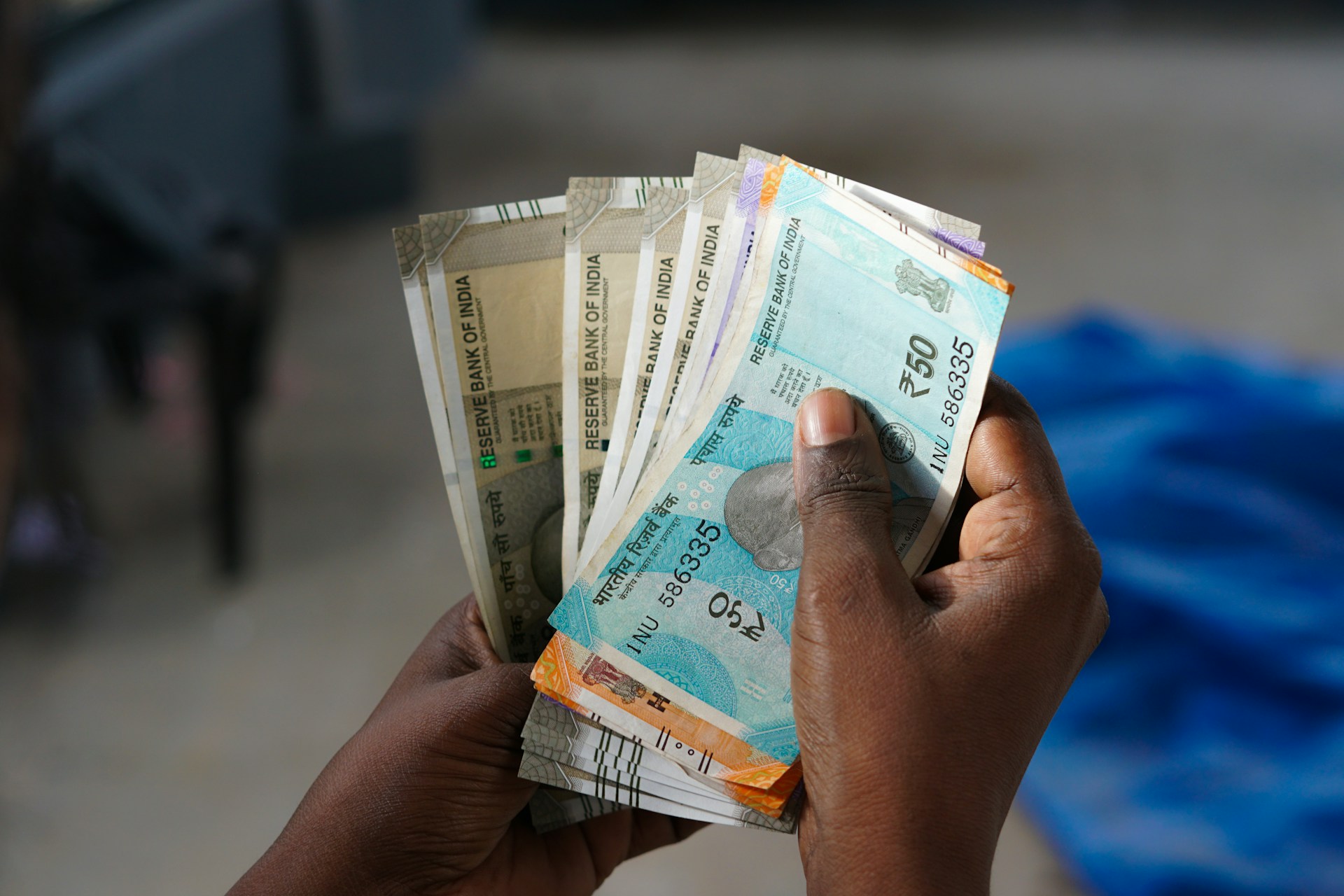
India’s banking system is carrying a record liquidity surplus after an unexpectedly large wave of dollar deposits flooded lenders with rupees, giving the Reserve Bank of India a new policy challenge just as it seeks to keep overnight rates aligned with its monetary stance.
The surplus reached 9.7 trillion rupees on 3 September, surpassing the previous high of 9.2 trillion rupees recorded in September 2021. The increase followed a much stronger-than-expected response to the RBI’s non-resident foreign-currency deposit scheme. Most of those deposits have already been swapped with the central bank, releasing a substantial amount of rupee liquidity into the financial system.
For lenders, the immediate effect is an unusually comfortable funding position. Abundant liquidity can reduce pressure in money markets and make short-term funding easier to obtain. Yet for the RBI, excess cash creates the opposite problem. If overnight rates fall too far below the policy corridor, the transmission of monetary policy can weaken, making liquidity management as important as the policy rate itself.
Some of the surplus may be absorbed naturally as cash demand rises during India’s festive season, forward contracts mature and the RBI intervenes in foreign-exchange markets. Nomura economists Sonal Varma and Aurodeep Nandi nevertheless expect the central bank to use a broader mix of absorption tools to contain the excess.
The development highlights how quickly a foreign-currency measure can reshape domestic banking conditions. What began as an effort to attract dollar deposits has produced a record pool of rupee liquidity. For India’s banks, funding conditions are exceptionally loose; for the RBI, the immediate task is ensuring that abundance does not distort short-term rates.