
Paris Attack Probe Deepens Around Bank
French authorities have widened their investigation into the attempted attack on Bank of America’s Paris offices, adding two more suspects to a case that is already drawing attention across financial and security circles. The episode underlines how geopolitical tensions are increasingly intersecting with the banking sector through threats aimed not at balance sheets or markets, but at the physical infrastructure of major international institutions.
The latest development came after France’s anti-terrorism prosecutor said two additional individuals had been taken into police custody following the foiled incident outside the bank’s premises in the 8th arrondissement of Paris. The first suspect, a minor arrested on Saturday, remains in custody under an extension. Under French law, terrorism suspects can be held for up to 96 hours, with further extensions possible under judicial oversight. Prosecutors have opened an investigation covering attempted destruction by fire or other dangerous means, as well as the manufacture, possession and transport of an explosive or incendiary device.
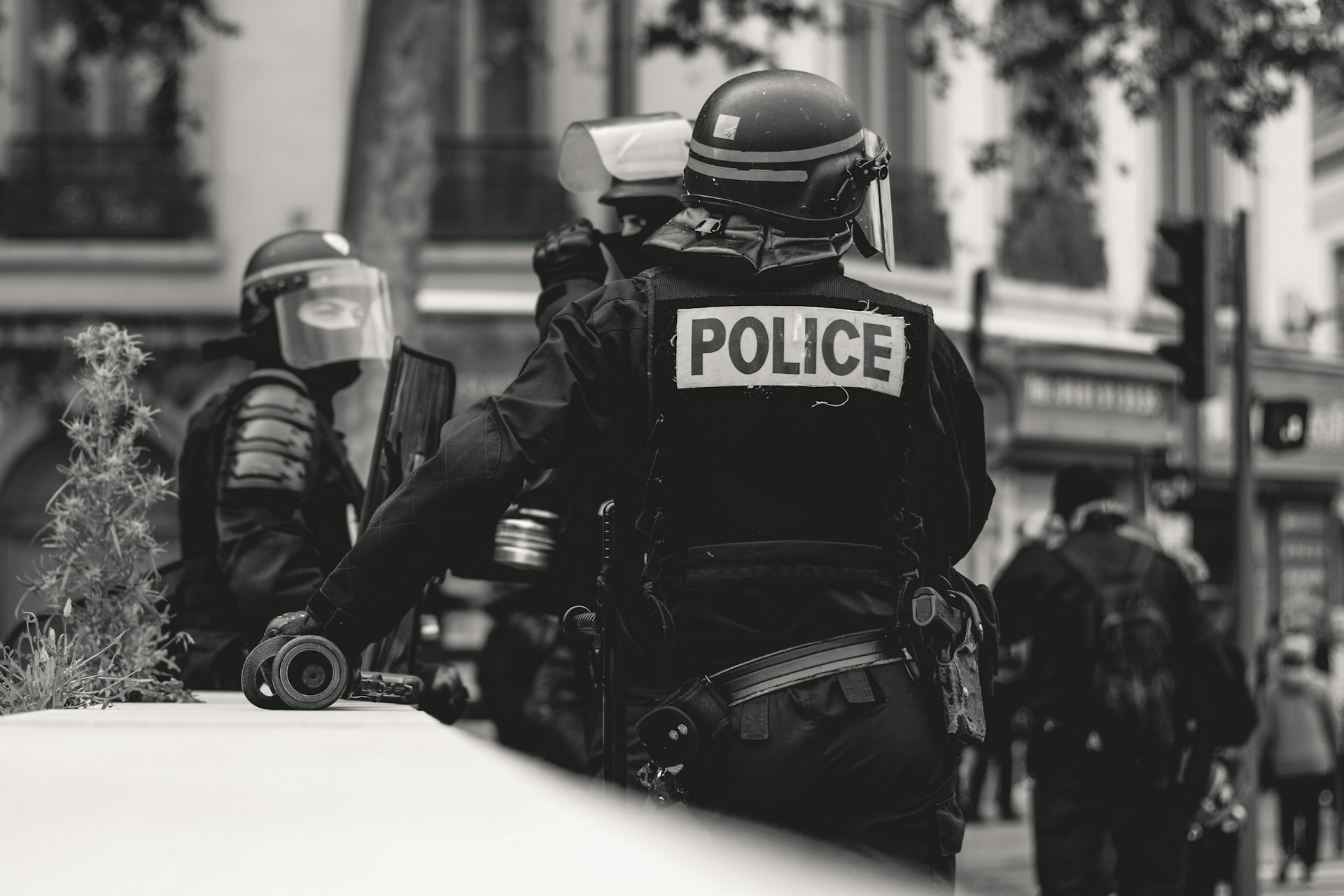
Police intervention began in the early hours of Saturday after officers assigned to protecting sensitive sites spotted two individuals placing and attempting to ignite an improvised explosive device outside the bank. One suspect was arrested at the scene while another fled. Interior Minister Laurent Nunez said one person was trying to light a rudimentary device consisting of a container likely holding hydrocarbons and a crude ignition system, while the other was filming. He said the device could have been lethal and that police prevented it from being ignited.
The investigation is also examining whether the suspects acted as proxies. Nunez said the individuals appeared to be common-law offenders operating as paid intermediaries, which he described as a known method used in such attacks. He also pointed to significant suspicion involving Iran, while stressing that no conclusion had yet been reached. Authorities have noted similarities with incidents in the Netherlands, Belgium, Britain and Norway, where improvised devices targeted sites linked to US interests.
For banks, the significance lies in the way physical security risk is being drawn into a wider pattern of transnational tension. The case remains unresolved, but it already suggests that major financial institutions may increasingly find themselves exposed not only to regulatory and market volatility, but also to the spillover effects of international conflict.