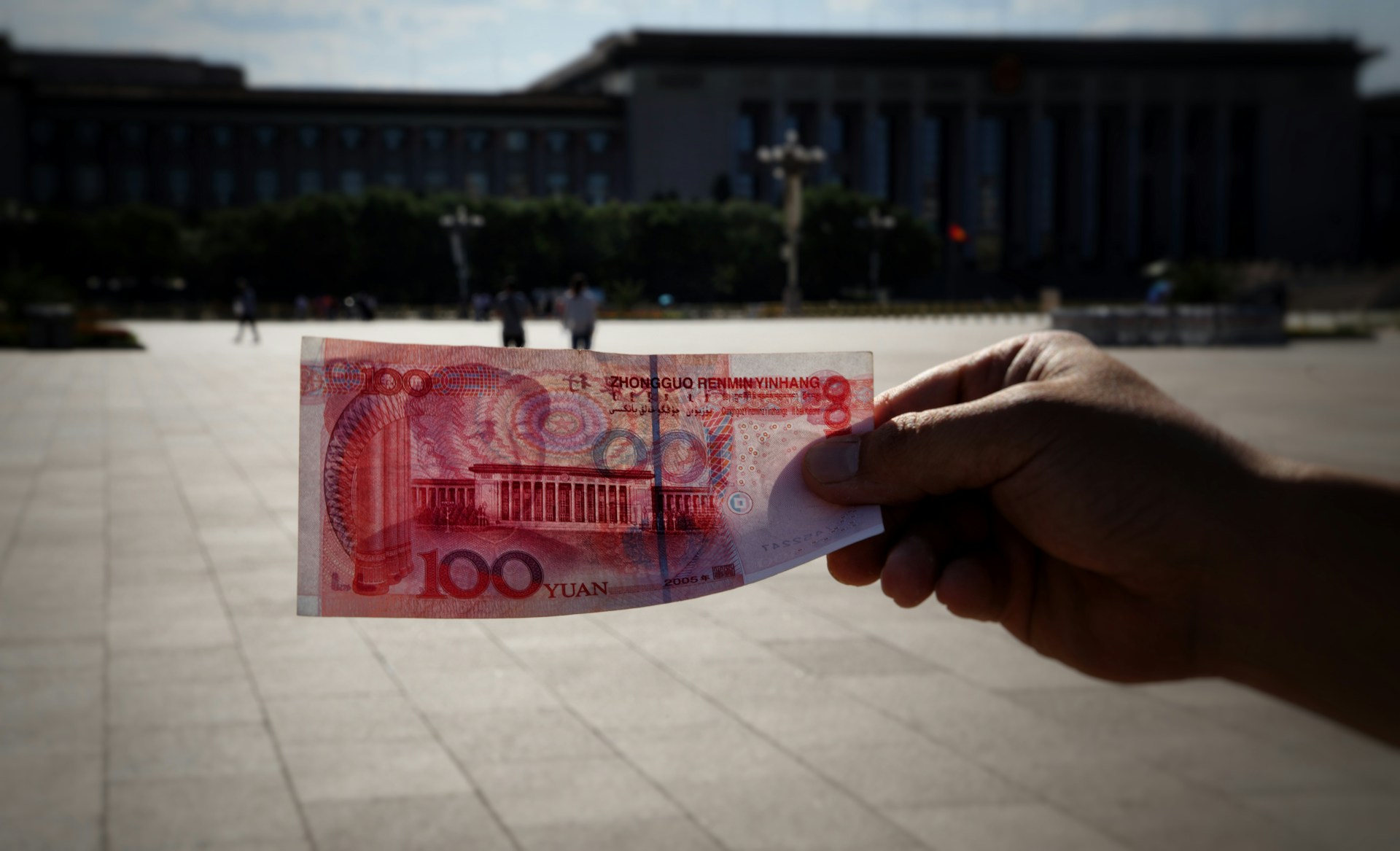
Hong Kong’s financial authorities have announced a substantial expansion of yuan liquidity provision to banks, a policy move aimed at reinforcing the city’s role as a leading offshore hub for China’s currency and supporting broader efforts to internationalise the renminbi. The Hong Kong Monetary Authority (HKMA) confirmed the total size of the RMB Business Facility will rise to 200 billion yuan, effectively doubling the amount available for banks to borrow under the programme from early February 2026.
The facility, which allows participating banks to obtain yuan funding from the HKMA for up to one year using the Shanghai Interbank Offered Rate as the pricing benchmark, has seen strong uptake since its initial launch in late 2025, with the previous quota fully allocated across around 40 banks. Its expansion reflects growing demand among financial institutions for yuan liquidity and tools to support trade finance and corporate funding needs in the offshore market.
Hong Kong’s approach to boosting yuan supply aligns with Chinese policymakers’ strategic objective of deepening the offshore yuan ecosystem, countering dollar dominance and broadening global usage of China’s currency. Alongside the expanded lending quota, authorities also plan increased offshore issuance of yuan-denominated government bonds and enhancements to hedging and liquidity instruments available to international investors. Deputy Governor Zou Lan of the People’s Bank of China has signalled that these measures will support foreign demand for high-quality yuan assets and strengthen financial ties between mainland China and Hong Kong.
For banks active in Southeast Asia, the Middle East and Europe, easier access to yuan funding could lower borrowing costs and facilitate cross-border yuan settlement, potentially encouraging more yuan-denominated business. The expansion comes amid broader efforts, including Payment Connect and Bond Connect schemes, to enhance market connectivity between onshore and offshore yuan platforms and attract global capital into renminbi assets.
However, questions remain about how far these liquidity measures will shift international currency usage patterns in practice. Deepening offshore markets is a strategic priority for China, but the yuan’s global share is still modest relative to the dollar and euro, and sustained demand will depend on factors such as investor confidence in Chinese assets, market access conditions and macroeconomic stability. The expanded facility underscores policymakers’ intent, yet its effectiveness in advancing long-term currency internationalisation will continue to be tested.