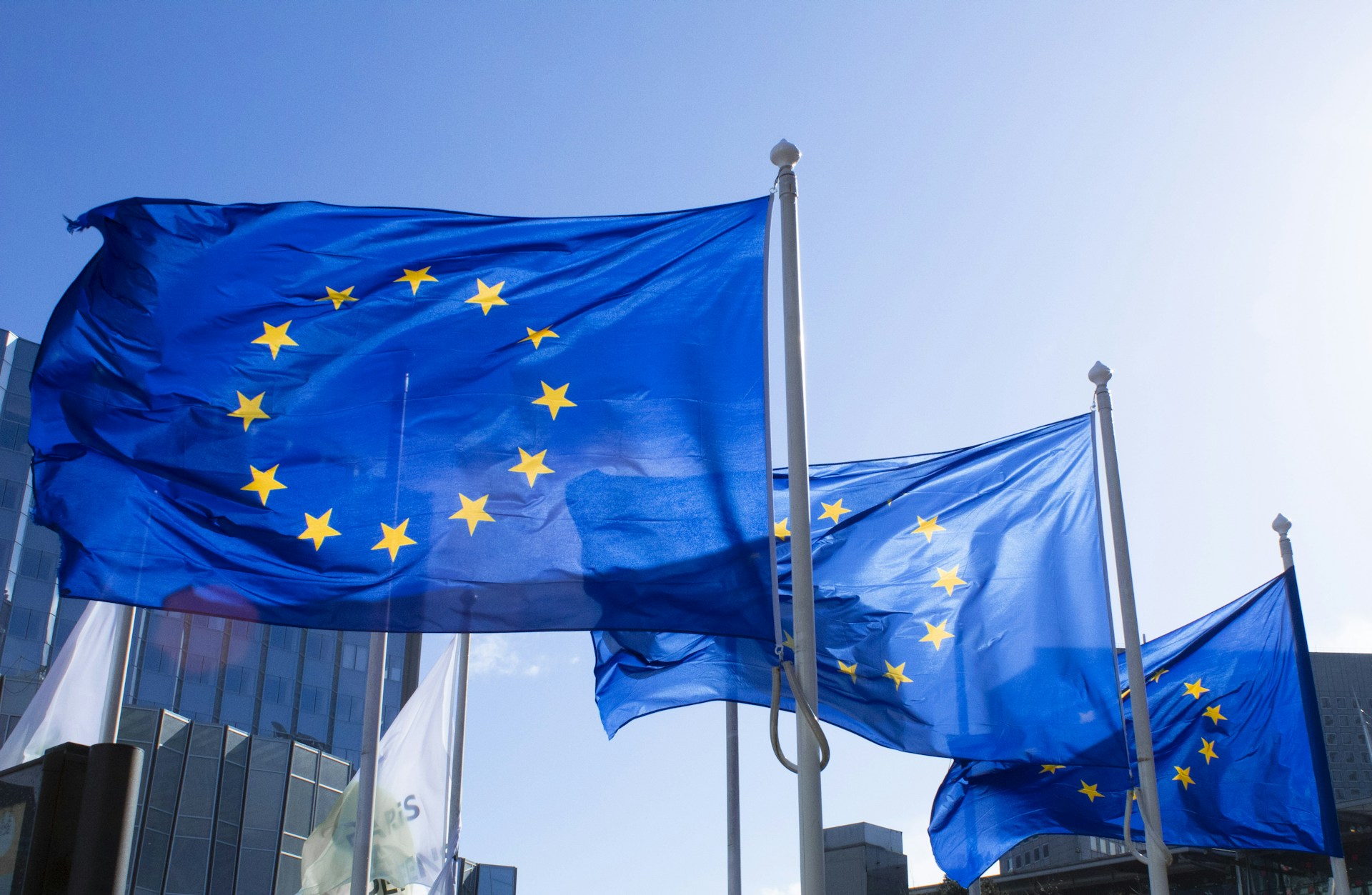
Cross-border banking mergers and acquisitions among European Union lenders hit about €17 billion in 2025, the highest level since the global financial crisis in 2008, reflecting a renewed wave of foreign direct investment in the region’s financial sector. This compares with just €3.4 billion in deals the previous year and is being driven by higher bank valuations, low default rates and stronger profit metrics that make international consolidation more attractive for major players.
Major transactions included Spanish banking group Santander’s €7 billion sale of its Polish operations to Austria’s Erste Bank and France’s BPCE acquiring Portugal’s Novo Banco for €6.4 billion. French lender Crédit Mutuel also agreed a €1.8 billion purchase of Germany’s OLB, underscoring how bilateral bank deals are gaining momentum even amid persistent regulatory and political complexities. Executives at institutions including Italy’s UniCredit have cited competitive pressures from fintech firms and the need to scale operations as key rationales for cross-border consolidation.
The uptick comes against a backdrop of improved macroeconomic conditions across the EU banking sector, where excess capital holdings of around $600 billion provide firepower for acquisitions rather than share buybacks. However, many market participants note that fragmentation in the EU regulatory environment still poses hurdles. National rules often restrict liquidity mobility and can complicate pan-EU merger plans, reflecting the long-standing structural challenges that have limited cross-border deals in Europe.
Despite these obstacles, the uptick in FDI through banking M&A suggests a shift in sentiment among European lenders, who have historically shied away from large international transactions since the crisis. The resurgence highlights how strategic consolidation is emerging as a response to competitive pressures, technological disruption and the desire to build scale across borders. How effectively EU institutions and national regulators adapt policy frameworks to facilitate deeper integration will be central to sustaining this momentum, an unresolved issue for future investment flows.