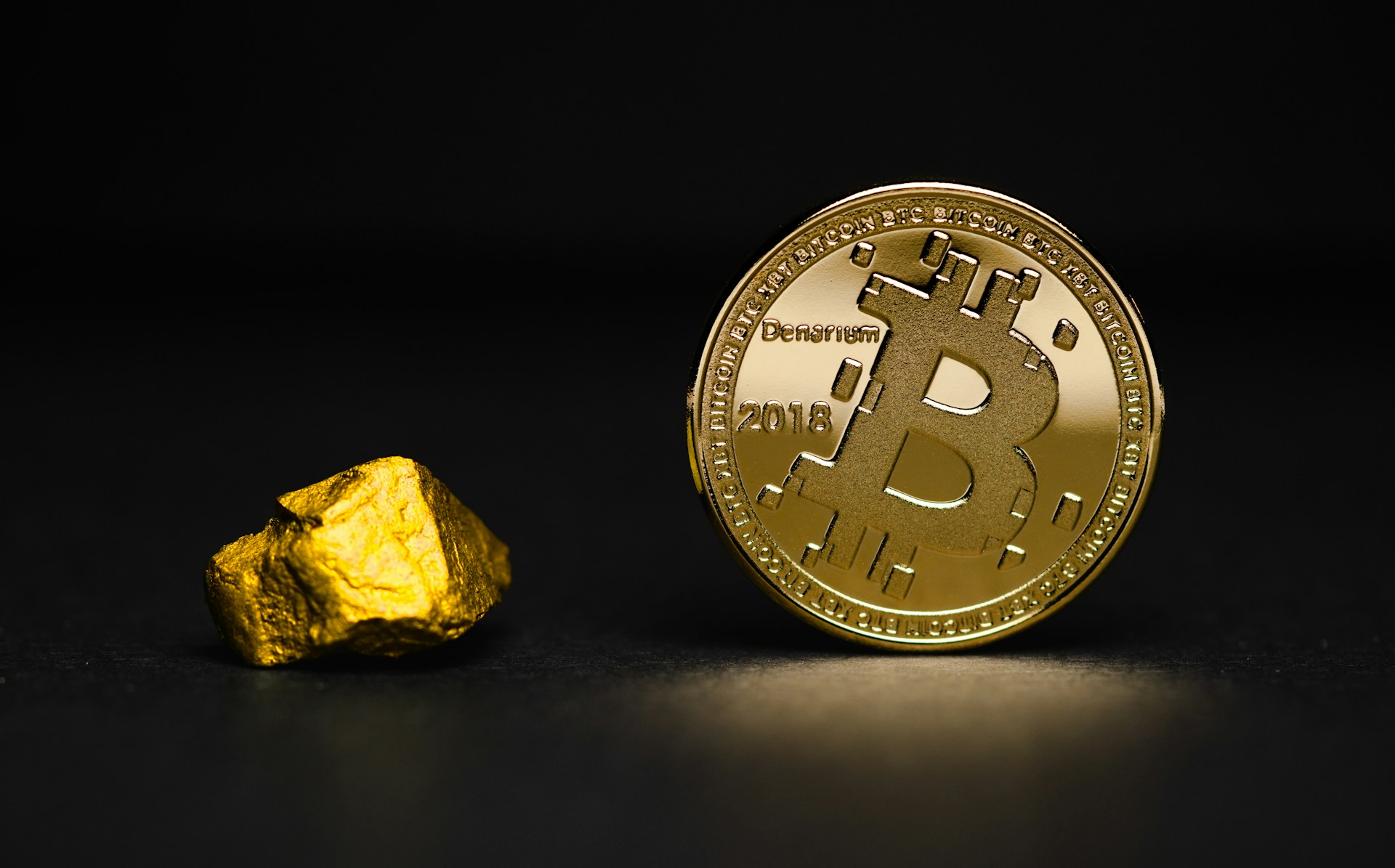
Central banks are increasingly experimenting with bitcoin and other digital assets as part of broader discussions about reserve diversification, even though mainstream monetary authorities remain cautious about formal adoption. A recent move by the Czech National Bank (CNB) to build a small test portfolio including bitcoin, a US dollar stablecoin and a tokenised deposit illustrates this emerging interest. The CNB says the objective is practical experience with blockchain-based assets, held separately from official international reserves and subject to tests of operational processes such as security and anti-money-laundering compliance.
The backdrop to this experiment is heightened concern among many central bankers over the reliability of traditional reserve assets, particularly the US dollar, amid rising global debt and geopolitical uncertainty. Central banks have historically increased holdings of safe-haven assets like gold, and new research suggests digital assets could, over time, play a similar role. A Deutsche Bank study argues that bitcoin’s liquidity, limited supply and low correlation with standard asset classes could support its case as a complementary reserve asset alongside gold in the coming years.
Despite these academic and operational explorations, most major monetary authorities remain wary. The European Central Bank has publicly rejected the idea of including bitcoin in official reserves, emphasising that reserve assets must be liquid, secure and reliable, and noting concerns about volatility and illicit use. Similarly, the US Federal Reserve has indicated it has no mandate to hold bitcoin, underscoring that legal and policy frameworks would need to change before formal inclusion could occur.
The CNB’s approach reflects a middle ground in this debate: engaging with digital assets to understand their mechanics and risks without prematurely altering core reserve compositions. It highlights the unresolved question of how central banks reconcile innovation with traditional reserve management. As experiments continue and academic studies evolve, the degree to which digital assets like bitcoin might one day be part of reserve portfolios remains open, shaped by future regulatory developments, risk assessments and broader shifts in monetary policy frameworks.